

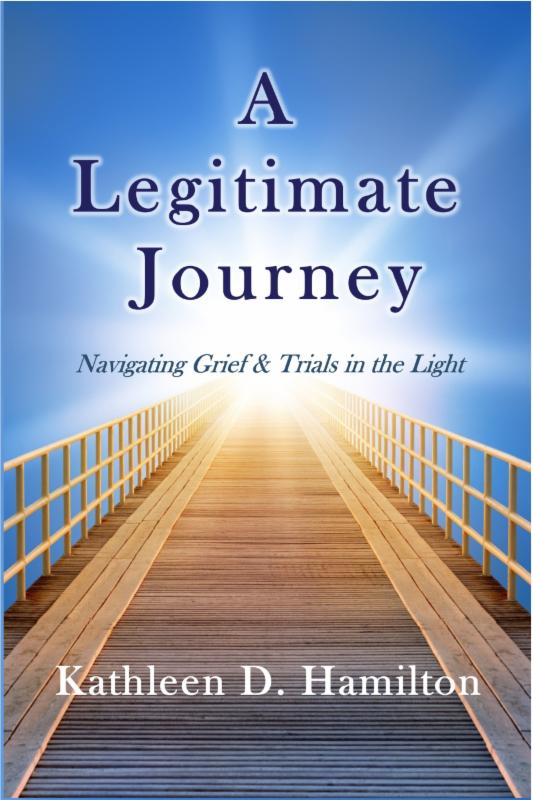
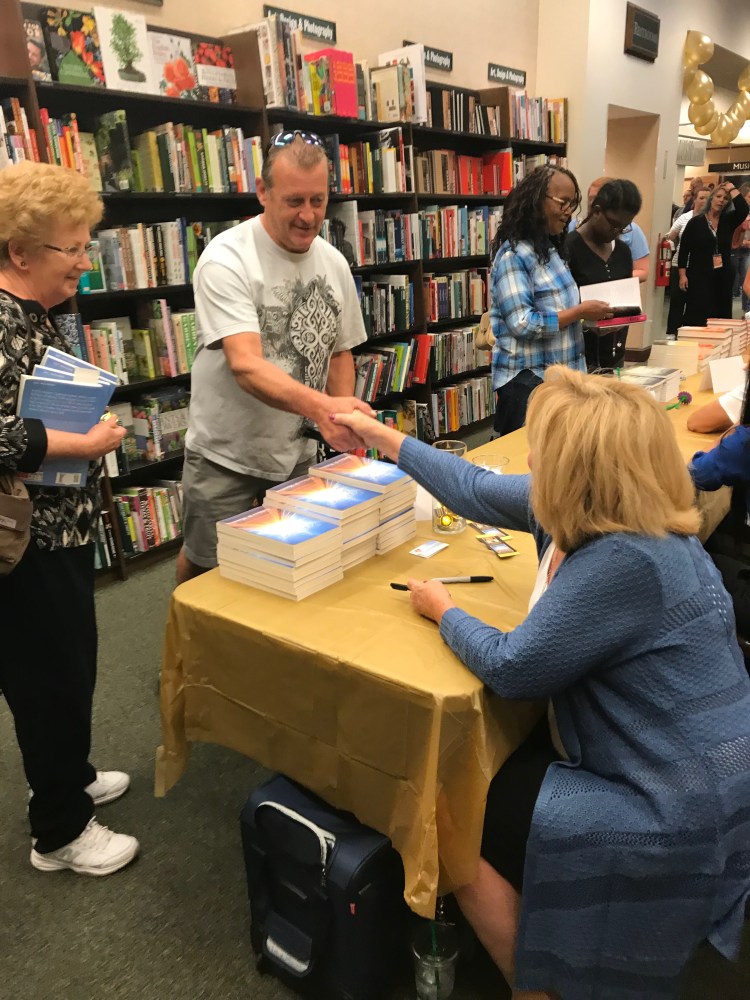
Kathleen Hamilton is an Oregon author whose first book, “A Legitimate Journey, Navigating Grief and Trials in the Light”, was released in March of 2014 with a second edition released through HenschelHAUS Publishing in 2018. https://henschelhausbooks.com/product?a-legitimate-journey-navigating-grief-and-trials-in-the-light/
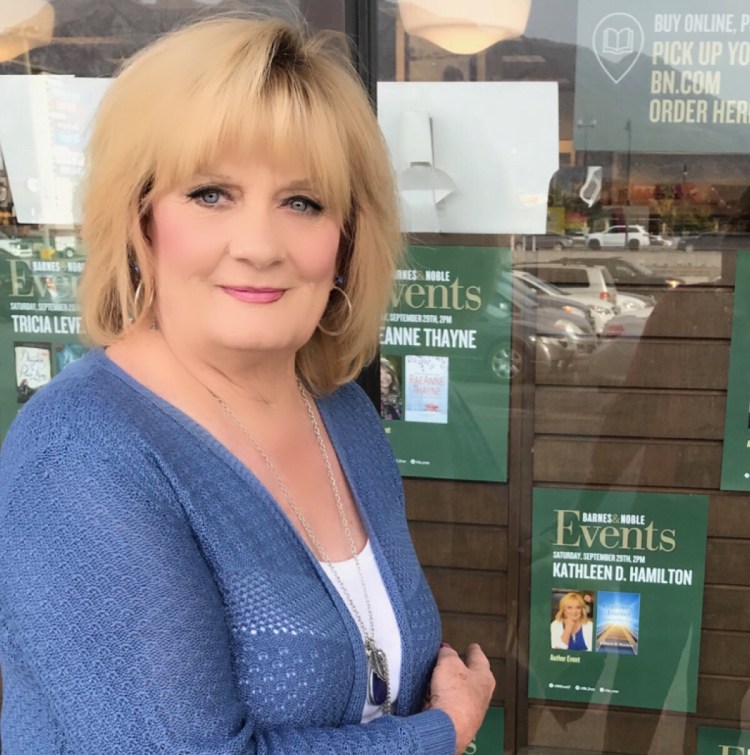
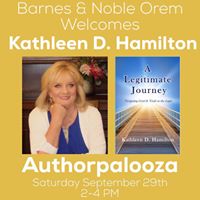
Our journey through trials is not easy and grief doesn’t come with an instruction manual, but there is hope in getting through them. Kathleen shares her experiences and shares many valuable tools to help navigate each one of those journeys.
The healing effects of music.
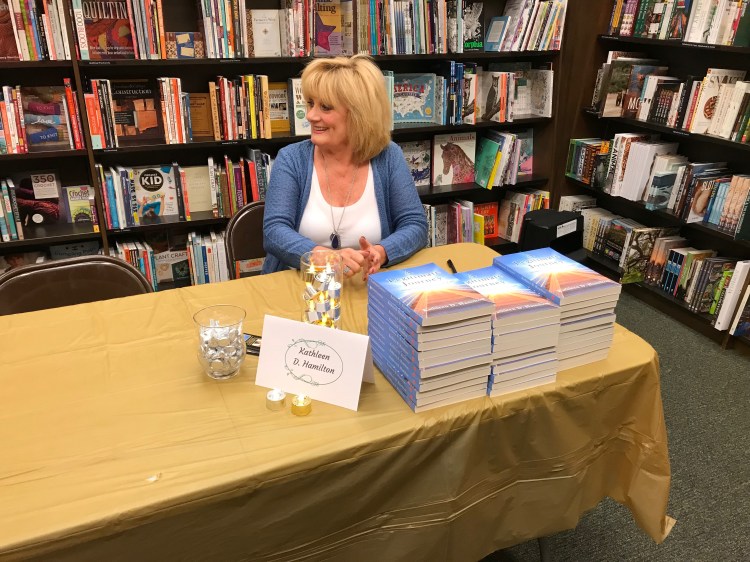
A growing body of research shows that music therapy is more than just relaxing. It can actually improve medical outcomes and improve the quality of life in many ways. An example can be: it helps ease anxiety during medical procedures. It can aide in pain relief. It can improve the quality of life for people with dementia because the ability to engage with music remains intact late into the disease process. Music can help with memory, reduce agitation, assist in communication and improve physical coordination. These are many of the reasons why Kathleen uses music whenever she can during her speaking engagements.
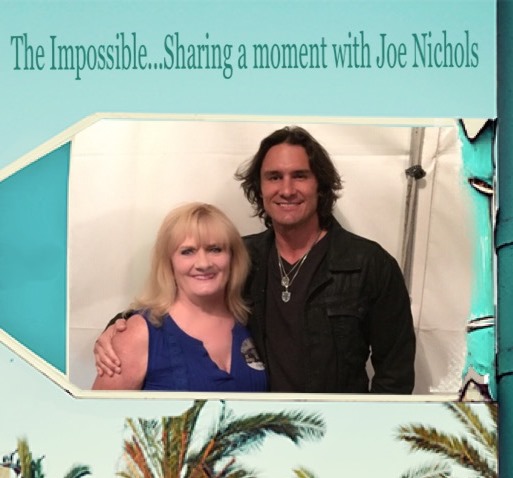
Singer of “The Impossible”, Joe Nichols
Why A Good Old Song?
I remember when my singing partner and I had been invited to sing one New Year’s Eve at a large retirement facility which also had an adjoining nursing home. I was warned by the coordinator not to be too disappointed if some of the patrons didn’t respond the way we expected because many had memory difficulties. I recall the conversation, but also my feelings about the statement. I had learned years before that if anything was capable of connecting to an audience, it was music.
Of course, there were a few grumblers, as there usually are in places like that, like the music being too loud or maybe not loud enough. Occasionally someone would stand up and start mumbling incoherently, but I knew at some point we would find a niche that could reach each one of them.
Memories stored in different parts of our brains are retrievable through music. These memories produce changes in brain chemistry. Music is healing: as the sound and vibration moves us to physical sensations, it pulses through us, strumming and beating to the furthest parts of our bodies.
Music is therapy. We have used it for years to celebrate life’s high points as well as some of our lowest points like the pain of a broken heart, loss, grief or confusion. Music can accompany us just as a good friend would through some of our toughest times. It’s no surprise that highly functional people use music to make life as satisfying and joyful as possible, even amidst many formidable obstacles. Music has the power to soothe our hearts and connect us to each other in many ways. Therefore, it makes sense to take full advantage of its therapeutic value.
When we perform for certain age groups, we try to take them back to a time when they were actively living their lives and naturally creating memories. Music takes people back to their formative years, to a younger formidable version of themselves. It reminds us all of who we were, who we are, and who we still want to be. It captures a moment in time, a moment that in an instant we can be transported back with our mind, body and soul. Maybe it’s a day on the beach, or when we first fell in love or maybe just a time we were driving through the country in our convertible with the top down, feeling a cool breeze and listening to a particular song on the radio, yet, we feel at one with the world. Music leaves us less separate, less alone and more connected.
There are plenty of reasons why older music will stay alive longer than some of the most modern pieces, but just a few reasons will do for now.
Most people know them and are able to reminisce about younger times. Or maybe someone can remember their mother singing it to them. They usually rest somewhere in the reservoirs of each of our minds.
The style is pure and less edited with a lot less man made technology that is more difficult to reproduce.
It isn’t trashy. Much of today’s music can be obscene if one listens closely to the lyrics. The beat may be catchy, but if the message is obscene, it does not inspire pleasant emotions.
What makes old music so unique is how original each song is. A lot of modern songs try to follow what is popular at the moment and it’s hard to distinguish the difference. Of course there were popular trends back in the day , but there were also many different types of music that were easy to listen to and very individual.
It’s a fact that many of us actually do love what our parents listened to. We can usually associate a good memory with songs we grew up listening to because our parents enjoyed them, and as adults we can listen to them now and put them in a place in history, a history that we weren’t fully aware of when we were younger.
As interesting as these theories may be, the truth is we will never love another song the way we loved the music of our youth. It’s really not all that bad though, because our adult tastes allow us to appreciate more complex artistic beauty on an intellectual level. No matter our age, music remains an escape from some of life’s hardships. The nostalgia that accompanies our favorite songs is more than a fleeting recollection of earlier times, it is a gift that allows our brains to leap for joy when we hear a song we loved and the special times associated with it. Someone once told me that the best gift I can give my children and those I love is the gift of memories.
As we finished our program on New Year’s Eve, a small frail lady approached me with tears in her eyes and said, “You sang “Always” and that song was my husband’s and my wedding song. I haven’t heard it in years and hearing it filled me with such joy as I thought about my dear sweet husband who has been gone for thirty years now.”
 Kathleen D Hamilton